The Ultimate Guide to Camping in the UK

This is your ‘Ultimate Guide to Camping in the UK including Best Campsites & Camping Tips’

Camping has long been one of the most rewarding ways to explore the natural beauty of the United Kingdom. From dramatic mountain landscapes and peaceful valleys to rugged coastlines and ancient forests, the UK offers an incredible variety of locations for outdoor adventures.

Whether you are planning your first camping trip or you are an experienced outdoor enthusiast, camping provides a unique opportunity to slow down, reconnect with nature and experience the countryside in a way that traditional holidays simply cannot match.

Across England, Scotland and Wales, thousands of campsites welcome visitors each year looking for fresh air, adventure and relaxation. Some travellers prefer large family-friendly holiday parks with modern facilities, while others seek out smaller countryside campsites that offer a quieter and more traditional experience.

One of the reasons camping continues to grow in popularity is the diversity of landscapes available within a relatively small area. In a single week-long trip, you could explore coastal cliffs, rolling farmland and mountain scenery.

National parks such as Brecon Beacons National Park offer some of the most spectacular camping environments in the UK, combining dramatic landscapes with peaceful rural villages and extensive walking trails.

In this ultimate guide, we explore everything you need to know about camping in the UK, including how to choose the right campsite, what equipment you need, the best regions to visit and expert tips to help you get the most out of your trip.

This is your ‘Ultimate Guide to Camping in the UK including Best Campsites & Camping Tips’

The History and Culture of Camping in the UK

Camping has deep roots in British outdoor culture. Long before modern tourism developed, people travelled through the countryside exploring mountains, forests and rivers.

During the Victorian era, interest in outdoor exploration grew rapidly. Mountaineering, hiking and nature study became popular pursuits among those seeking adventure beyond city life.

By the early 20th century, camping began to emerge as a recreational activity. Lightweight tents and portable cooking equipment allowed people to travel further and stay outdoors for longer periods.

Following the Second World War, camping holidays became increasingly popular among British families. As car ownership increased, people were able to travel to rural destinations for affordable holidays in the countryside.

Throughout the 1960s and 1970s, campsites began developing better facilities such as showers, toilets and electric hook-ups. This helped transform camping from a rugged outdoor activity into a more accessible family holiday option.

In recent years, the rise of glamping has introduced new audiences to outdoor accommodation. Shepherd’s huts, safari tents and camping pods now sit alongside traditional tent pitches at many campsites across the UK.

Despite these modern additions, the core appeal of camping remains unchanged: spending time outdoors, enjoying natural landscapes and experiencing the simplicity of life under canvas.

What Makes a Great Campsite

Choosing the right campsite can make a huge difference to the quality of your camping experience. While every camper has their own preferences, there are several factors that consistently define a great campsite.

Location

The best campsites are located in areas of outstanding natural beauty. Mountain ranges, coastal regions and national parks provide some of the most memorable camping settings.

Many campers specifically seek out locations where they can enjoy scenic walks, wildlife and dramatic landscapes directly from their pitch.

The countryside surrounding Brecon Beacons National Park is a perfect example of this type of setting, offering expansive views, peaceful valleys and easy access to hiking trails.

Space and Atmosphere

A good campsite should provide enough space for campers to relax comfortably. Overcrowded campsites can feel busy and noisy, while sites with spacious pitches allow visitors to enjoy the tranquillity of the outdoors.

Family-run campsites often create a more welcoming and relaxed atmosphere compared with large commercial holiday parks.

Facilities

Modern camping facilities greatly improve comfort during your stay. Many campers now look for sites that offer:

  • Clean toilets and showers

  • Electric hook-ups

  • Washing-up areas

  • Drinking water points

  • Waste disposal areas

Some campsites also provide additional features such as fire pits, campervan service points and small on-site shops.

Natural Surroundings

Perhaps the most important factor in choosing a campsite is the surrounding environment. Campsites located near mountains, lakes or forests allow visitors to fully immerse themselves in nature.

Waking up to birdsong and watching the sunset over a valley are experiences that many campers treasure long after their trip ends.

Best Places for Camping in the UK

One of the greatest advantages of camping in the UK is the incredible diversity of landscapes available to explore.

Scotland

Scotland offers some of the most dramatic scenery in the country. The Scottish Highlands are famous for their rugged mountains, deep glens and remote wilderness areas.

Wild camping is permitted in many parts of Scotland under responsible access laws, making it a favourite destination for adventurous campers.

The Lake District

Located in northwest England, the Lake District is one of the UK’s most visited outdoor destinations.

Campers are drawn here by its stunning lakes, mountain hikes and charming villages. The region provides countless walking routes ranging from gentle lakeside strolls to challenging summit climbs.

Cornwall

Cornwall is a fantastic destination for coastal camping. Campsites here often sit close to sandy beaches and dramatic cliffs overlooking the Atlantic Ocean.

Surfing, swimming and coastal walks make Cornwall a popular summer destination for campers.

The Peak District

The Peak District offers excellent camping opportunities within easy reach of major cities such as Manchester and Sheffield.

Its rolling hills, limestone valleys and picturesque villages provide a beautiful setting for weekend camping trips.

Wales

Wales is widely regarded as one of the best camping destinations in the UK.

The country’s mountainous landscapes, deep valleys and remote countryside create ideal conditions for peaceful outdoor holidays.

Regions such as Brecon Beacons National Park offer exceptional opportunities for hiking, wildlife spotting and stargazing beneath some of the darkest skies in Britain.

Camping for Beginners

For those new to camping, the idea of organising a trip can seem complicated at first. In reality, camping is a very simple activity once you understand the basic principles.

Choosing a Tent

Your tent is the centrepiece of your camping setup. Choosing the right tent will ensure you stay comfortable and protected from the weather.

There are several types of tents commonly used in the UK.

Dome tents are lightweight and easy to pitch, making them ideal for beginners.

Tunnel tents offer more internal space and are popular among families.

Family tents provide multiple sleeping areas and living space for longer stays.

Backpacking tents are designed for hikers who need lightweight equipment.

When choosing a tent, it is usually best to select a model rated for at least one extra person beyond your group size. This provides additional room for bags and equipment.

Sleeping Equipment

A good night’s sleep is essential for enjoying your camping trip.

Key sleeping equipment includes:

  • Sleeping bag suitable for UK temperatures

  • Sleeping mat or inflatable mattress

  • Pillow or compact travel pillow

Sleeping mats provide insulation from the cold ground and significantly improve comfort.

Cooking Equipment

Cooking outdoors is one of the most enjoyable aspects of camping.

A simple camping kitchen usually includes:

  • Portable gas stove

  • Cooking pan or kettle

  • Lightweight utensils

  • Cooler box for food storage

Many campers also bring a small barbecue for evening meals.

Clothing and Weather Preparation

Weather conditions in the UK can change quickly, even during summer months.

It is always wise to bring:

  • Waterproof jacket

  • Warm layers

  • Spare socks and clothing

  • Comfortable walking shoes

Being prepared for rain or cooler temperatures ensures your camping trip remains enjoyable regardless of the forecast.

Camping With Family

Camping is one of the best types of holiday for families. Children naturally enjoy outdoor exploration, and campsites provide a safe environment where they can play and discover nature.

Family camping trips often include activities such as:

  • Exploring woodland trails

  • Playing outdoor games

  • Cooking meals together

  • Watching the stars at night

Many campsites provide open spaces where children can run freely while parents relax nearby.

Family-friendly campsites typically offer larger pitches and safe environments where younger campers can enjoy the outdoors without the distractions of modern technology.

Camping can also be an excellent way to introduce children to environmental awareness and appreciation for nature.

Camping Gear Essentials

Packing the right equipment can greatly improve your camping experience.

Shelter

Your tent should be weather-resistant and suitable for the number of people in your group.

A groundsheet can provide additional protection from moisture and extend the life of your tent.

Sleeping Equipment

Sleeping bags designed for three-season use are usually ideal for the UK climate.

Sleeping mats or inflatable mattresses provide comfort and insulation from the ground.

Cooking Equipment

A compact camping stove allows you to prepare hot meals and drinks easily.

Other useful cooking equipment includes:

  • Lightweight cookware

  • Reusable plates and cups

  • Food storage containers

Lighting

Lighting is essential once the sun sets.

Popular options include:

  • LED lanterns

  • Head torches

  • Rechargeable camping lights

These allow you to move around safely at night and cook after dark.

Expert Camping Tips

Experienced campers often learn small tricks that can make outdoor trips much more enjoyable.

Choose Your Pitch Carefully

Look for level ground that drains well in case of rain. Avoid pitching tents in low areas where water may collect.

Arrive Before Sunset

Setting up your tent is far easier in daylight. Arriving early also allows you to explore the campsite and choose the best available pitch.

Keep Your Campsite Organised

Using storage boxes or bags helps keep equipment tidy and easy to find.

Respect Nature

Always follow the “leave no trace” principle by disposing of waste responsibly and respecting wildlife and natural landscapes.

Enjoy the Experience

One of the best parts of camping is the opportunity to disconnect from daily routines. Relax, enjoy the surroundings and take time to appreciate the outdoors.

Why Wales Is One of the Best Places to Camp

Wales offers some of the most beautiful landscapes in the UK, making it a perfect destination for camping holidays.

The country’s scenery includes:

  • mountain ranges

  • peaceful valleys

  • ancient forests

  • cascading waterfalls

These landscapes create the ideal environment for outdoor exploration and relaxation.

The area surrounding Brecon Beacons National Park is particularly popular with campers thanks to its scenic walking routes and breathtaking views.

One campsite in Wales that exemplifies the charm of traditional Welsh camping is Cwmdu Campsite, a long-established countryside campsite located within the Black Mountains region.

With spacious pitches and stunning views across the surrounding landscape, the site offers visitors the opportunity to enjoy the beauty of rural camping in Wales while still being close to walking routes, historic villages and local pubs.

For many campers, locations like this represent the very essence of what camping should be: peaceful, scenic and deeply connected to nature.

Frequently Asked Questions About Camping

What is the best campsite in the UK?

The best campsite depends on your preferences. Some travellers prefer large holiday parks with extensive facilities, while others enjoy smaller countryside campsites that offer a quieter and more natural atmosphere.

Is camping cheaper than hotels?

In most cases, camping is significantly more affordable than hotel accommodation. Campsites allow travellers to explore the countryside while keeping travel costs low.

Is wild camping allowed in the UK?

Wild camping is generally restricted in England and Wales but permitted in some areas of Scotland under responsible access guidelines.

Most campers choose official campsites where facilities and designated pitches are available.

What should I take on a camping trip?

Essential camping equipment includes a tent, sleeping bag, cooking stove, warm clothing and lighting.

Preparing a checklist before travelling ensures you bring everything needed for a comfortable trip.


Discover the Joy of Camping in the UK

Camping continues to be one of the most rewarding ways to explore the United Kingdom. It offers a rare opportunity to slow down, breathe fresh countryside air and reconnect with the natural world.

From coastal adventures in Cornwall to mountain landscapes in Wales and remote wilderness in Scotland, the UK offers an extraordinary range of camping experiences.

Whether you are planning your first outdoor holiday or returning for another adventure, camping allows you to experience the country’s landscapes in a uniquely personal way.

For those seeking breathtaking scenery, peaceful surroundings and easy access to some of the best walking routes in Britain, the countryside around Brecon Beacons National Park remains one of the most inspiring destinations to pitch a tent and enjoy the great outdoors.

Ultimate Guide to Camping in the UK Best Campsites & Camping Tips

Additional Information

For further information about Cwmdu Campsite in Wales, please visit our Home Page

To check availability for this season, please fill in a booking form here.

For information on prices, visit our tariffs page. Click here.

For more information regarding our Glamping Pods, please visit our site here.

HOLIDAY COTTAGES INFORMATION

4* Dog-Friendly Holiday Cottages in the Brecon Beacons, 4 miles from Crickhowell and all within 50 yards of Cwmdu Campsite.

cwmdu holiday cottage, holiday cottage, cwmdu campsite, holiday let, wales

We have 2 cosy cottages available to book:

  1. Efail Isaf – ‘Old Smithy’ – Sleeps 6 in three bedrooms.  Cosy cottage with log burner and picturesque garden and panoramic views of the National Park. Infant facilities are available.
  2. Efail Bach – ‘Little Smithy’ – One-bed cottage with large shower and separate large bath. Fantastic views from the bedroom, living room and garden. BBQ included. Infant facilities are available.

Click Here for more information or to book a Cwmdu Holiday Cottage stay with us!

FIRE AND ICE INFORMATION

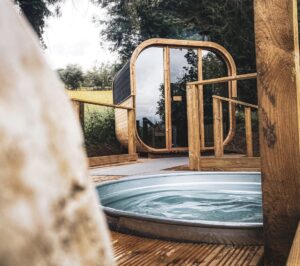
Imagine a Fire & Ice experience like no other! Rest and Rejuvenate peacefully in a Nordic wood-fired Sauna & Ice bath with a Scenic mountain view looking out across the Welsh Brecon Beacons National Park, also known as (Bannau Brycheiniog).

Ice Bath (Cold Plunge Pool) and Nordic Wood Fired SaunaGuests can visit in many ways, camp or Glamp at Cwmdu Campsite, stay in one of our four Holiday Cottages, or stop by for an independent session.

Contrast therapy

Involves alternating between hot and cold treatments. Our knowledgeable team will help guide you through the session to help you maximise the experience’s benefits!

Click here for more information and to book a Fire and Ice session with us!

Farmers Arms

Only a 5-minute walk from the campsite to enjoy a tasty pint and a meal after your walk

Ultimate Guide to Camping in the UK, Best Campsites & Camping Tips